
What is Cervical Strain?
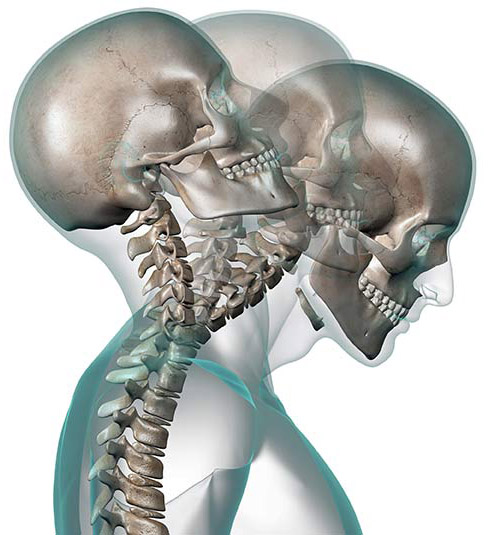
A cervical strain is a fairly common injury amongst adults, in which the muscles or tendon within the neck are stretched or even torn. Cervical strains are often a result of some form of trauma or an accident affecting the neck, or cervical spine area.
One of the most common forms of a cervical strain is known as whiplash, or certain whiplash-associated-disorders (WAD).
Symptoms
The symptoms of a cervical strain include:

Causes
Cervical strains are quite common and both moderate and severe in nature. They can occur due to any number of traumatic events or injuries to the upper spine, including:
As well as any other collision or trauma to the neck area. When any injury or trauma to the neck occurs, the muscles and tendons (tendons are connective tissue that link our muscles to the bone) can be stretched out drastically. And in many cases, they can become hyperextended or even torn. When any issue arises within the cervical spine or neck, it is important to undergo an MRI as well as an X-ray, to help us better understand what has actually occurred to cause pain or discomfort.
- Car Accident
- Slip-and-Fall
- Sports Injury
Treatment
Depending upon the severity of such a strain in the neck, a number of different avenues for treatment are available. For more severe cervical strains, which involve torn muscles or tendons, as well as any damage to the bones, surgery may be necessary. However, for the more common, moderate cervical strains treatment through medication may help. Some different medication options are:
In addition to medication options, in order to better manage your symptoms, you might want to try things like:
No matter the severity of your cervical strain, it is important to get a proper medical diagnosis from a qualified medical professional like Dr. Varma. In certain, more severe instances, patients may require surgical treatment measures. For more information or to schedule an appointment for a consultation, contact Dr. Varma today.
- Acetaminophen, NSAIDs, & Other OTC Pain Medication – For more moderate cervical strains.
- Muscle Relaxers & Prescription Pain Medication – For more severe cervical strains.
- Heat – Helps to alleviate pain and stiffness, as well as muscle spasms.
- Neck Exercises – For some moderate neck pain, resistance work and certain movement exercises may help to alleviate pain and strengthen the neck.
- Physical Therapy – For more severe cervical strains, that may not require surgery, physical therapists can help you through a number of advanced stretches and exercises to improve your neck’s strength and mobility.