
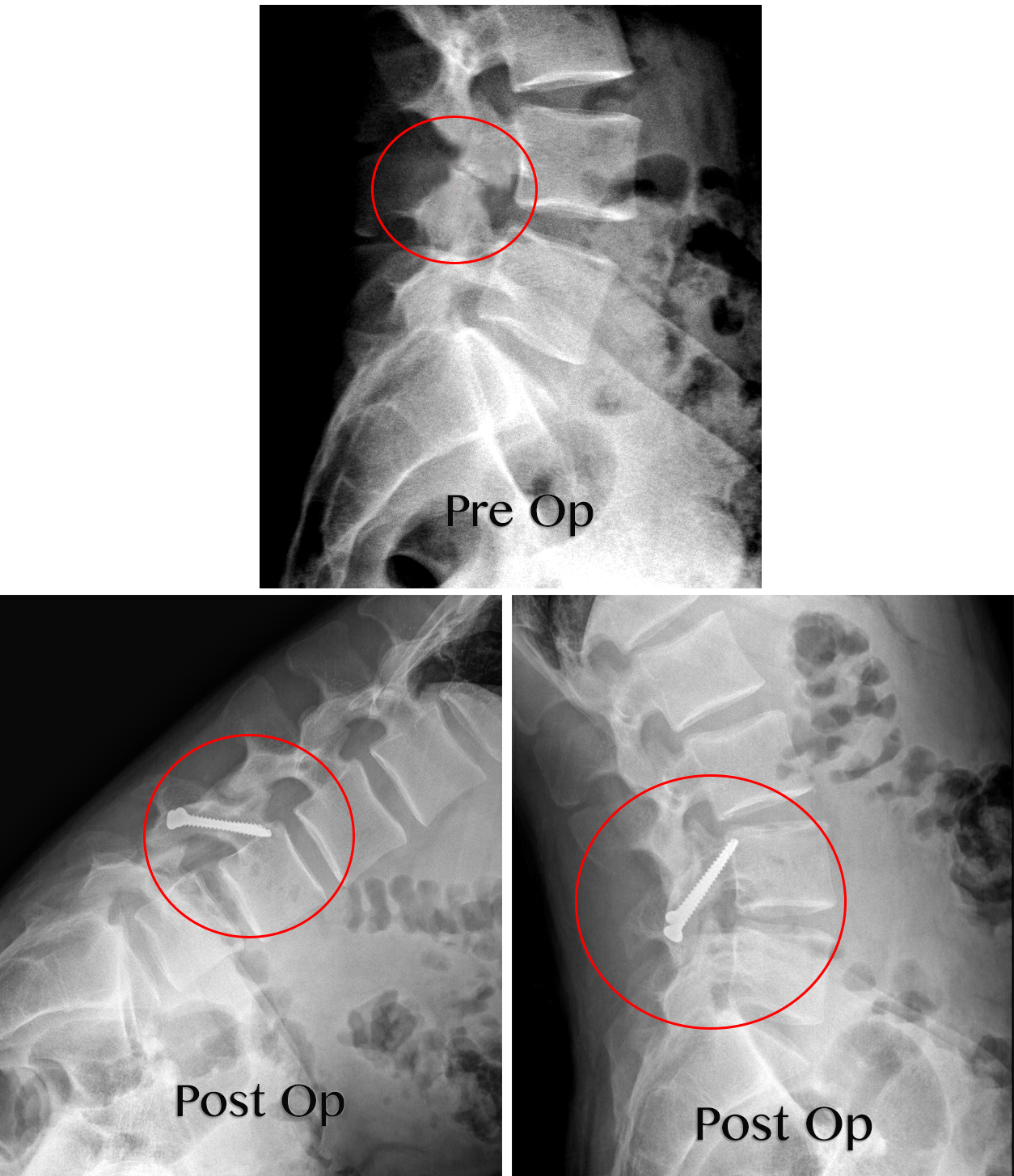
The primary goal of spinal motion preservation surgery is to allow patients near normal motion and/or movement. It is often used in place of conventional spinal fusion, in order to prevent adverse outcomes commonly seen associated with spinal fusion, most commonly the development of degenerative disc disease.
Motion Preservation Surgery generally refers to a group of surgical procedures, that alter the bio-mechanics of the spine. It entails the use of certain spinal appliances or devices that are meant to replicate spinal motion or function. These surgical procedures also differ based on the area of the spine.
Motion Preservation Surgery for Cervical Spine
Preserving motion within the cervical spine usually calls for total disc replacement. During cervical disc replacement surgery, the damaged disc is removed, and an arthroplasty device, or remodeled artificial disc, is implanted. The device is meant to achieve neural decompression and near normal restoration of motion, while minimizing any damage to the adjacent discs.
This procedure is relatively safe, however in rare instances, some side effects or complications have been reported. Possible fractures along surrounding discs, movement of the implant, or possible damage, failure, or loosening of the device.
Motion Preservation Surgeries for Lumbar Spine
When performing surgical procedures to preserve motion along the lumbar spine, we group the devices or implants into two specific categories anterior, and posterior.
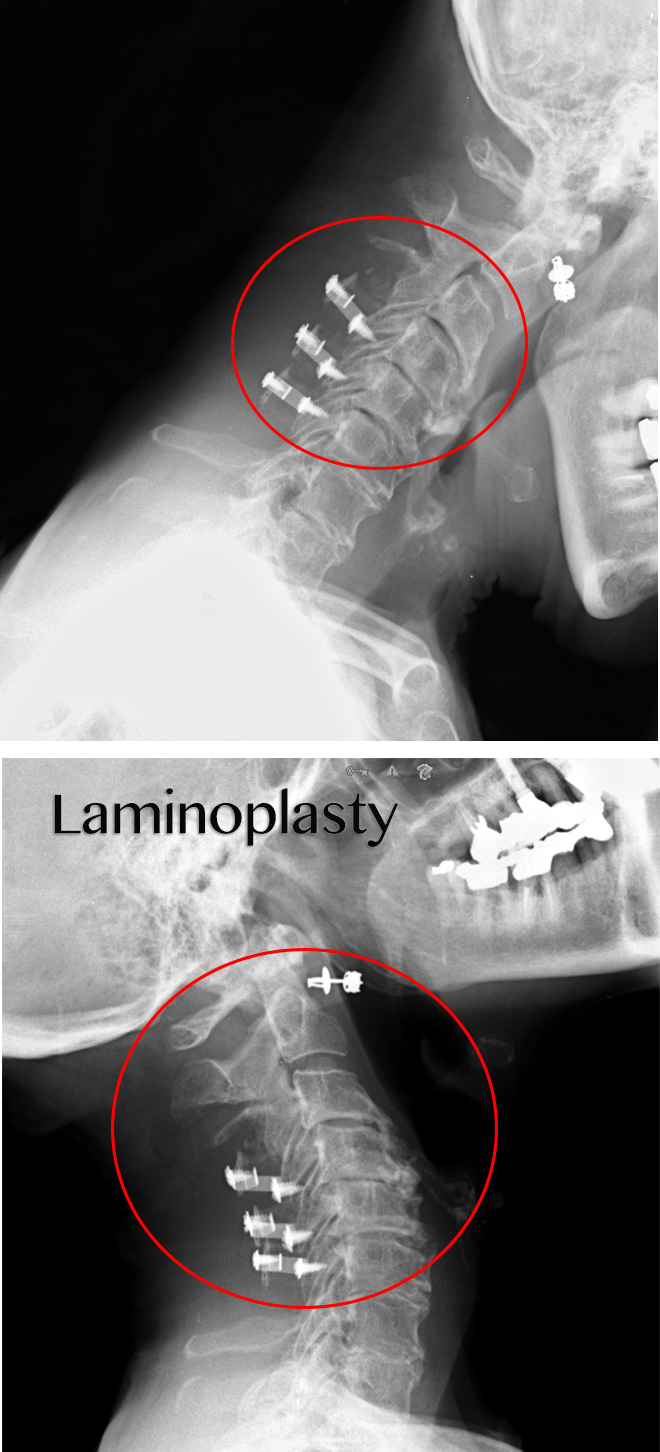
Laminoplasty is common form of Motion Preservation Surgery for the Cervical Spine.
Anterior Lumbar Devices
The main method of motion preservation for the lumbar spine is total disc replacement, there are many different devices that can be used for this type of disc replacement along the anterior. They all vary in size or shape, and their use depends upon your specific needs. Common devices include the Charite device, the FlexiCore device, and the NuVasive XL. Total disc replacement for the lumbar spine isn’t without its possible complications, hemorrhage, vascular injury, infection, peritoneal entry, or vertebral fracture are all possible, however, not likely.
For the anterior lumbar spine, partial disc replacement is also possible, this is known as Disc Nucleus Replacement. The damaged nucleus pulposus is replaced or augmented with an injectable or preformed device. However, devices for this type of procedure are rare, and often have to be retrofitted in some capacity. This procedure is rare.
Posterior Lumbar Devices
These devices can address pain that originates from posterior elements such as facet joints, ligaments, tendons, or muscles. They can also help in the treatment of spinal stenosis. There are three main types of posterior devices:
- Interspinous Process Spaces: Used to open the central canal and the opening of the nerve roots along the spinal canal, known as the foramen. Help with pain as well as restricted movement. The main benefit of these devices is that they can be implanted in a relatively quick, less-invasive procedure.
- Dynamic Stabilization Devices: These devices act similar to an internal brace for the spine, allowing for more controlled motion, and relatively normal movement. They are typically used to treat patients with spondylolisthesis and degenerative disc disease.
- Facet Replacement or Total Element Replacement Devices: Facet replacement devices replace the facet joints in the back of the spine to limit or control motion, while total element replacement devices replace all the elements in the back of the spine.
For more information on Spinal Motion Preservation Surgery Contact Dr. Vikas Varma today, and schedule your next appointment!