
Minimally Invasive Transforaminal Lumbar Interbody Fusion (MIS – TLIF)
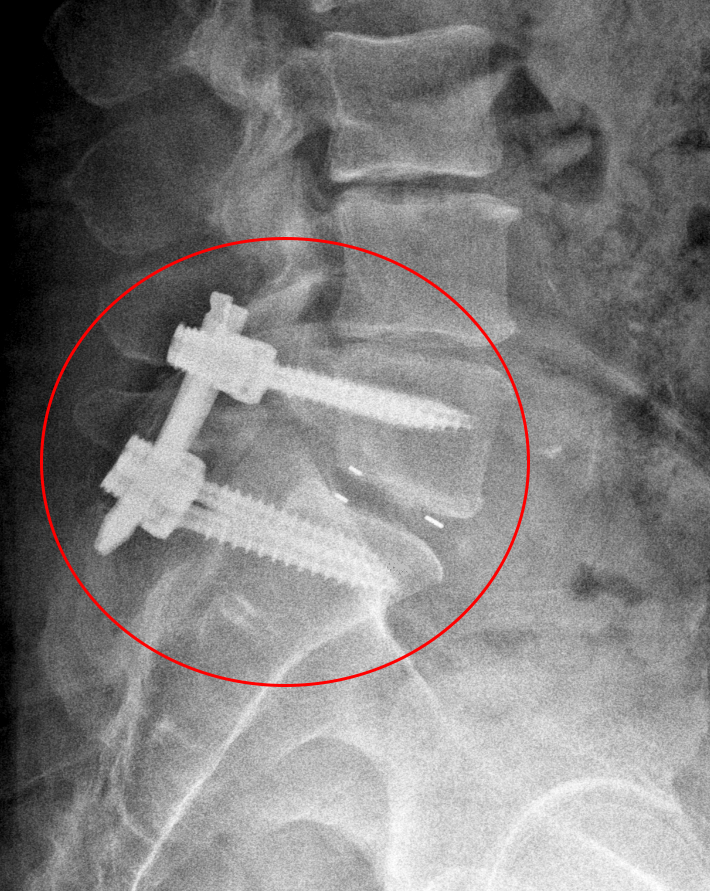
Transforaminal Lumbar Interbody Fusion or TLIF, is a type of fusion procedure similar to other forms of interbody fusion like ALIF (anterior – front approach), PLIF (posterior – back approach). However, TLIF uses an approach from the side.
TLIF is traditionally performed as an “open” procedure meaning a large incision is made into the side of the back area, however, Minimally Invasive TLIF uses much smaller incisions as well as a endoscopic camera device, so that the procedure can be performed using special instrumentation and doesn’t require too much disruption of bodily tissues.
Benefits of MIS TLIF
The Transforaminal approach is performed at the side of the spinal cord rather than from a straight posterior angle. And the Minimally Invasive type of TLIF has a number of added benefits as well. Some of the common benefits of MIS TLIF are:
Why TLIF?
Those patients with certain issues affecting the lumbar spine or lower back are great candidates for TLIF. Some of the common conditions that can be addressed using TLIF are:
- Spinal Stenosis
- Degenerative Disc Disease
- Spondylolisthesis
- Nerve Compression Causing Lower Back Pain
- Other issues affecting the Lumbar Spine.
How Does MIS TLIF Work?
Spinal fusion surgery is a process which involves the fusion of 2 or more vertebrae, in the event the disc in between is experiencing some type of damage, degeneration, or disease. When this occurs, the disc must be removed, and a spacer device must be put in its place in order for the two vertebrae to fuse together, and alleviate any pain, discomfort or degeneration.
The TLIF procedure is done relatively quick and efficiently. A set of two small incisions are made in the side of the back and an endoscopic device is inserted into the back. The device is fitted with a camera at the end, so the surgeon has an internal, real-time view of the inner spine tissue. Retractors may be used to spread the muscle and other body tissues apart, so that they don’t have to be cut in any way. Once the surgeon reaches the spine, the damaged vertebral bone or intervertebral disc is partially or totally removed. Bone graft or a suitable spacer is placed to maintain the intervertebral space and allow the bones to fuse. Screws, rods and plates may be used for additional support. The retractors and endoscopic device are removed, and the incision is closed.
Patients may have to spend a few days in the hospital under observation. Because of the minimally invasive nature of the procedure, healing is relatively quick, and visible scarring is minimal. However, the bones will take over 4-6 weeks to fuse, a brace is often prescribed to additional support during healing. Dr. Varma and his staff will provide you post-surgical support in terms of tips and methods to speed up healing. If you are suffering from any type of lumbar spine issue and would like to find out more about fusion surgery and more, contact Dr. Vikas Varma today.