
What is Post-Laminectomy Syndrome?
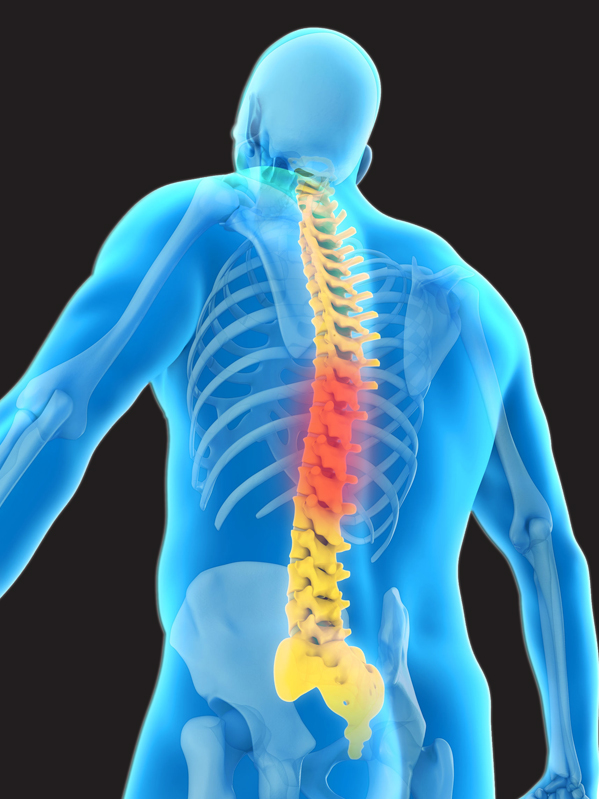
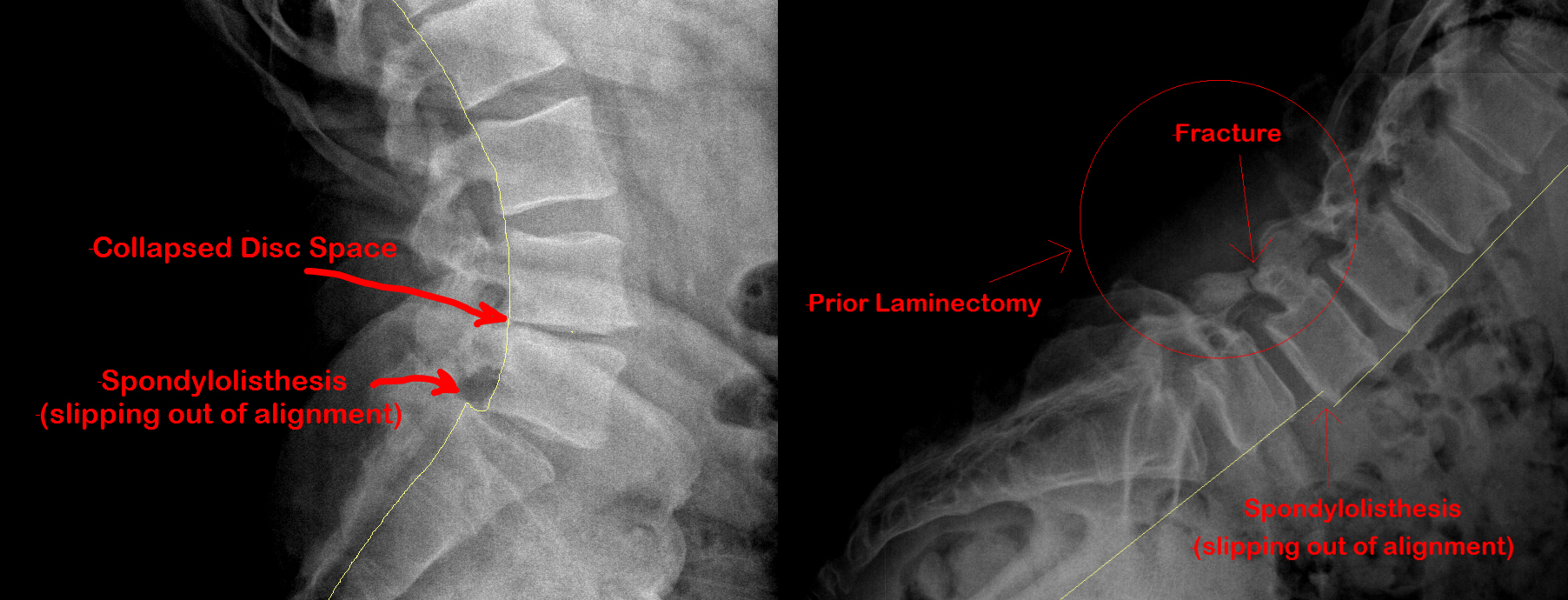
Post-laminectomy syndrome is a complex condition in which the patient will experience an unsatisfactory outcome after laminectomy surgery. This can occur immediately after spinal decompression surgery. It more commonly occurs in delayed fashion, even years later, possibly due to development of scar tissue, new disc herniations, recurrent stenosis, spinal instability, and other causes.
Symptoms of Post-Laminectomy Syndrome
The symptoms of Post-Laminectomy Syndrome can vary a great deal but will generally affect the lower back and neck – radiating down to the extremities. Common symptoms are:

How It Can Present
- After a spinal procedure, the patient develops some type of complication(s), like an infection, poor recovery, or nerve damage.
- After a spinal procedure, the patient recovers, and soon after develops an unrelated spinal condition.
- After a spinal procedure, the patient still experiences similar pain symptoms as before – despite a ‘successful’ surgery.
Treatment
Non-Surgical Options
Post-Laminectomy Syndrome requires extensive testing, as there are a number of different factors that can be causing post-operative issues. Once imaging is done, and a thorough physical examination, depending on the specifics of your spinal issues Dr. Varma and his team will determine the proper treatment protocol for you.
- Pain Medication – OTC and prescription pain medication will help to alleviate pain, but should not be considered for long-term treatment.
- Physical Therapy – Certain exercises can help to alleviate pain, and reduce certain symptoms that may be affecting your spine.
Surgical Options
A popular surgical option for Post-Laminectomy Syndrome or Failed Back Syndrome is known as a Spinal Cord Stimulator (SCS). This procedure uses an implanted device to replace the pain signals from certain damaged nerves with a more comfortable buzzing sensation.
Otherwise, depending on your specific circumstances, other surgical procedures may be necessary, including spinal fusion, discectomy, or decompression surgery.