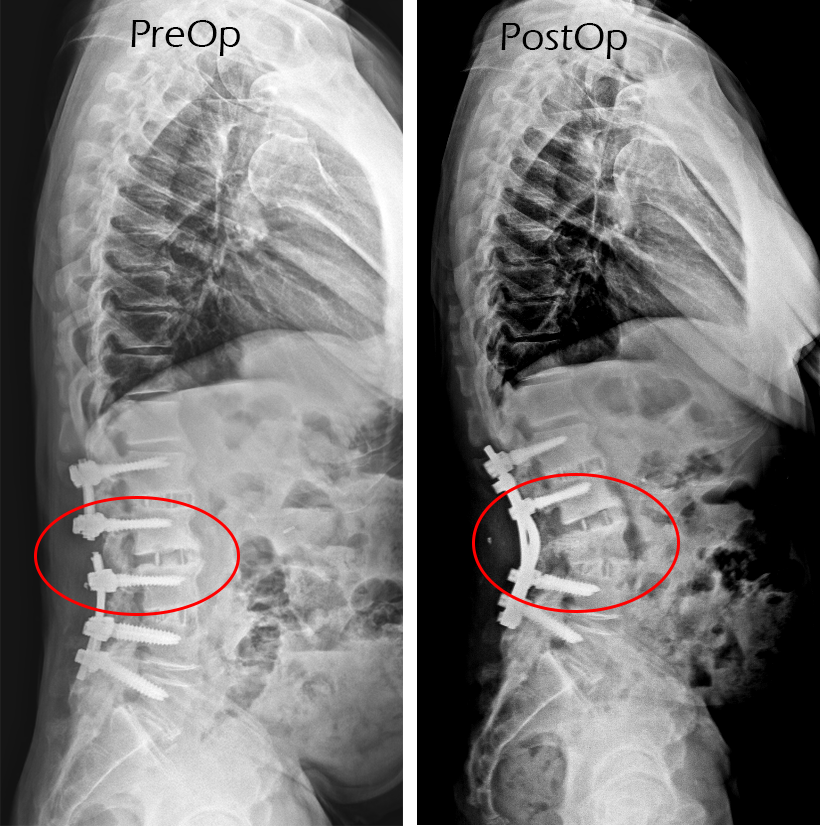
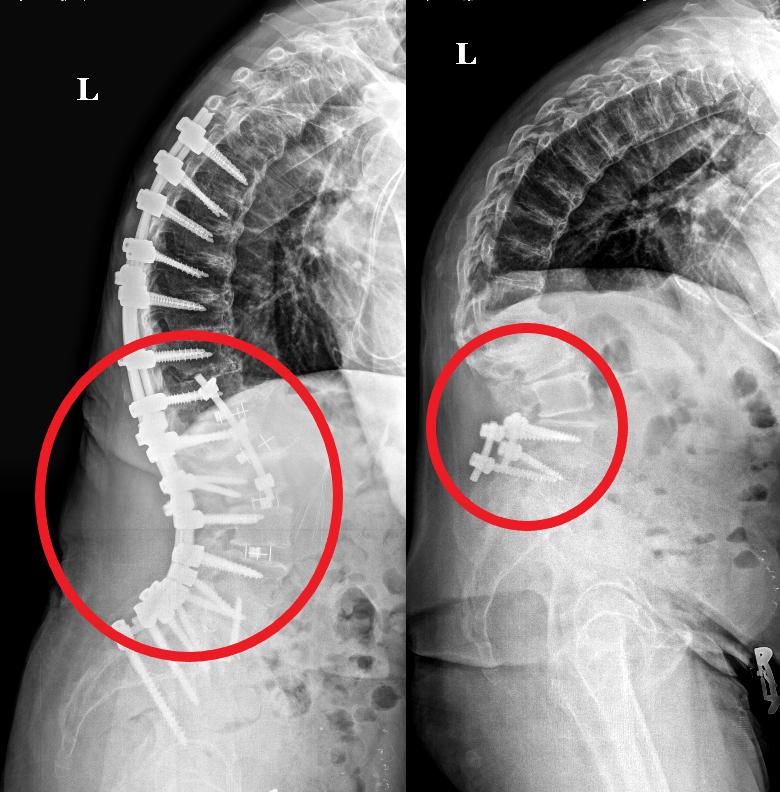
Revision spinal surgery is any type of surgical procedure, by which a past spinal patient may seek surgical correction for the problems associated with an earlier spinal surgery. Spinal surgery itself, is a quite sensitive process. The spine acts as the center for a number of bodily processes associated with sustaining life. Housing the central nervous system, as well as an intricate network of nerve signals, the spine is an extremely sensitive area to have surgery on. And during these dangerous, often difficult procedures, complications may arise. Depending upon the time of complication, surgical revision can become necessary.
Revision spinal surgery is a highly individualized process, like any other spinal procedure. It is highly dependent upon the specific results of the patient’s previous surgery, their initial spinal issue, and any hardware or instrumentation that may have been previously used.
Why Revision Spinal Surgery?
Many patients suffer from chronic pain issues, before and after surgery. For these patients, revision spinal surgery can become an imperative, life-altering procedure. The main goal of Revision Spinal Surgery is the reduction of both acute and chronic pain, and to allow patients a better quality of life. In addition to chronic pain issues, other issues that may make revision spinal surgery necessary are:
Common Conditions Treated with Revision Spine Surgery
Common conditions in which Revision Spinal Surgery is often performed are:
- Failed Back Syndrome: Persistent back pain, even after surgery.
- Re-Herniation of a Disc
- Bacterial/Viral Infections
- Pseudoarthorsis: Poorly healed bone tissue following surgery (ie. Spinal Fusion)
- Spine Degeneration
- Failure of Spinal Hardware
- Flat Back Syndrome: A condition in which the lower spine loses some of its normal curvature.
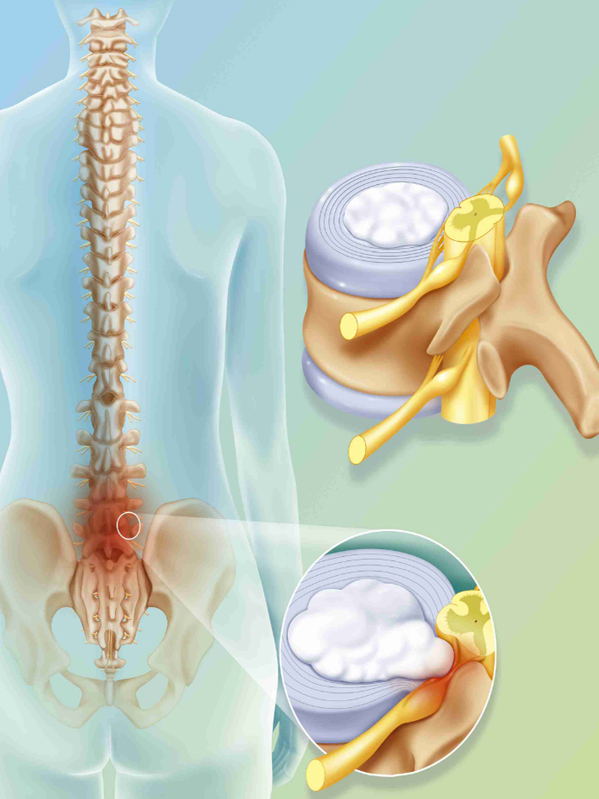
What Does Revision Spine Surgery Entail?
Revision spinal surgery is essentially a general term given to any surgical procedure, by which a past spinal patient may seek surgical correction for the problems associated with an earlier spinal surgery.
Spinal Fusion Revision
One of the most common reasons for revision spinal surgery is the correction of spinal fusion. Spinal fusion is an extremely effective treatment for chronic back pain, however a relatively large percentage of spinal fusion surgeries are unsuccessful and may require further correction. Fusion failure can be a product of any number of issues such as a lack of bone fusion, hardware malfunction, or even a product of conditions such as spinal stenosis or spinal instability at discs above or below the point of fusion.n
Spinal Fusion Revision involves the implantation of new bone being grafted in the affected area. In some cases, a bone growth stimulator may need to be used as well. Any instrumentation that was used (that may have failed) in prior spinal fusion may need to be removed, in order to make room for the addition of a new graft.
If you are in need of any type of spinal revision surgery, contact Dr. Varma and schedule your consultation today.