
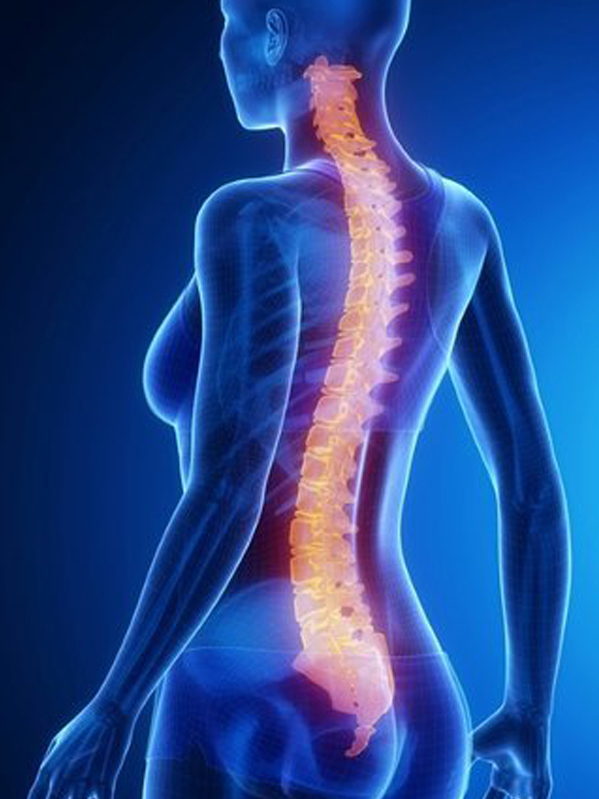
What is Spinal Deformities?
A spinal deformity is an abnormal alignment or curve within the vertebral column of the spine. Two of the most common forms of spinal deformity are scoliosis and kyphosis. While these deformities often develop early in life, they are known to progressively worsen over time, as well as a result of age-related issues and normal wear and tear of the vertebrae.
Deformities can also occur as a result of degeneration of discs, and the facet joints. Over time, as these areas begin to degenerate, they lose the ability to support the spine’s normal posture – causing strain on the joints and other discs in the area. This can often lead to further, more painful complications such as nerve damage.
When the alignment or curvature of the spine is altered, this is known as a spinal deformity. Most commonly they occur in childhood or at birth, however they can also occur as a result of aging – in the way many older individuals with spinal curvature issues develop a hunched back. Of all the possible spinal deformities, the most common amongst adults is known as degenerative scoliosis. Here are a few different types of spinal deformities.
Scoliosis
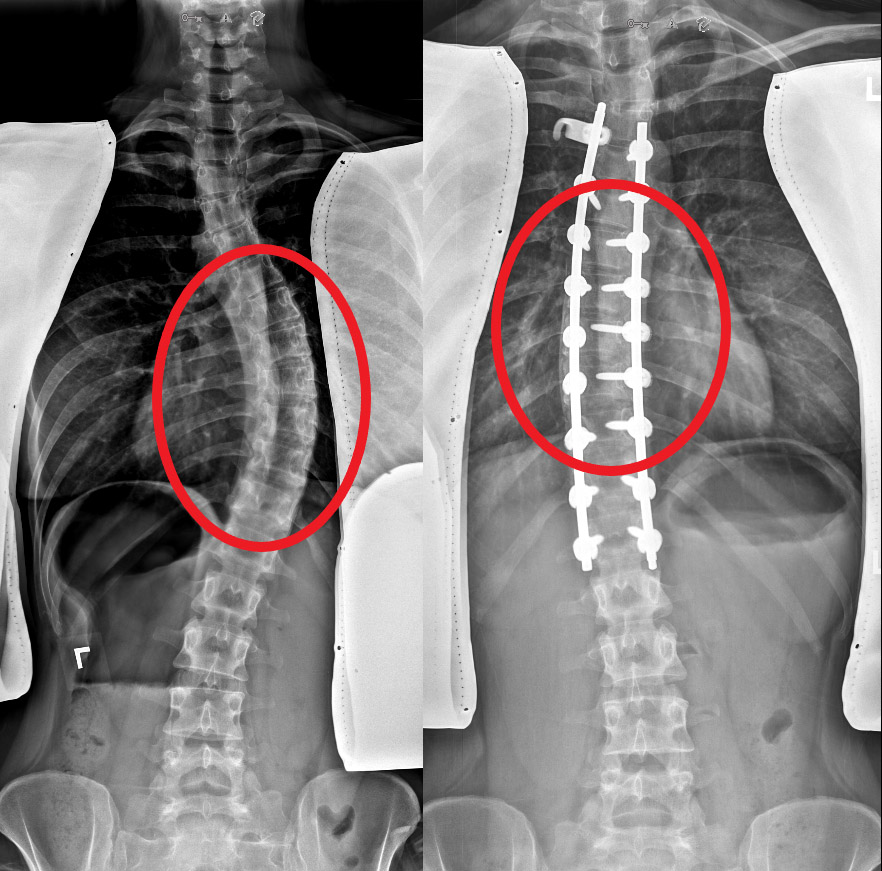
Scoliosis, as previously stated, is the most common form of spinal deformity in the US. It is characterized by a side-to-side curvature of the spine, that while mostly developing in children at birth, can also develop in adults. In adults, the most common reason for the development of scoliosis is due to the degeneration of the facet joints and the spinal discs. The purpose of the facet joint is to give the spine its flexibility – allowing us to twist, stretch, or bend, at certain angles. When the facet joints begin to deteriorate, the bones in the spine can tilt and will eventually shift to one side.
Kyphosis
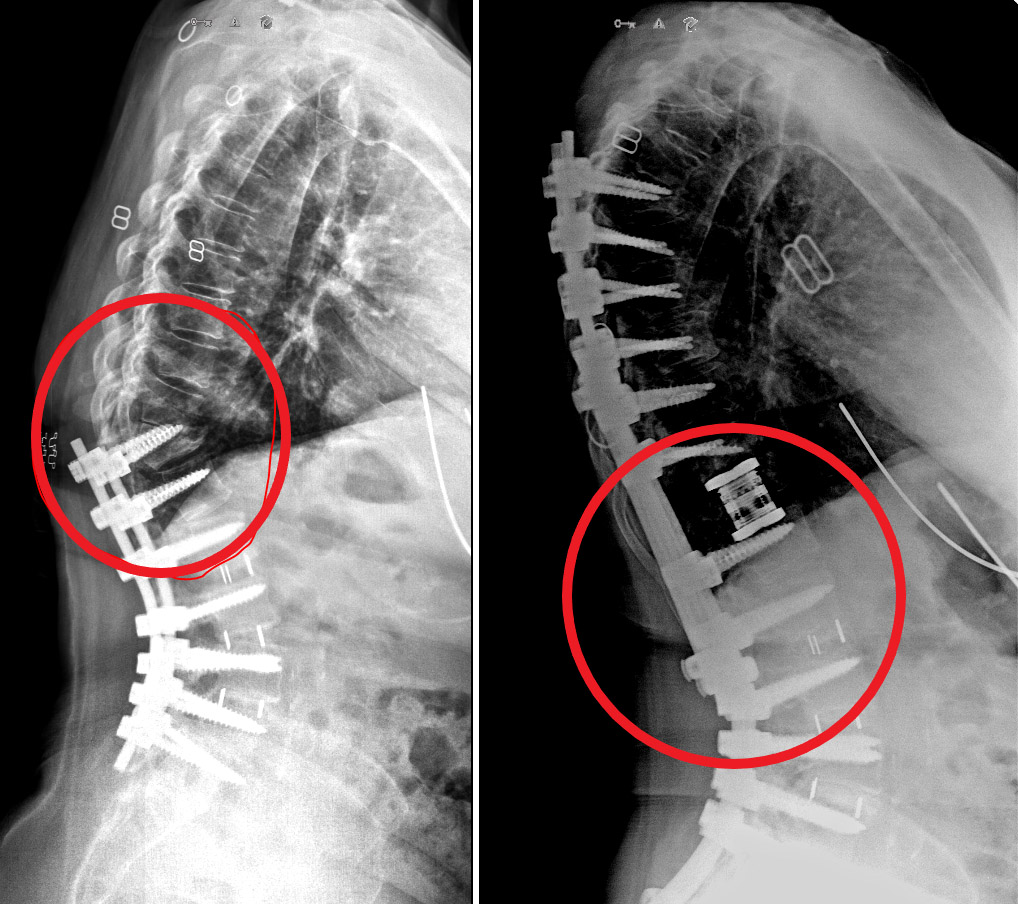
The second most common form of a spinal deformity, kyphosis is characterized by an abnormal rounding of the spine – similar to that of a hunch or bent back. For a curve to be characterized as kyphosis, it must generally be greater than 50 degrees. In both the upper back or the thoracic region and the lower back or lumbar region of the spine, kyphosis occurs as a result of compression fractures. This type of deformity is most common in older individuals and is known to limit function and the individual’s ability to stand up straight. Another common cause of kyphosis is a failed spinal surgery, that can result in a condition known as flat back syndrome. During a procedure such as a spinal fusion, a patient may experience weakness in the spine immediately above the area of fusion. This can cause the patient to experience a kyphotic, forward bend in the spine.
Lordosis
One of the least common types of spinal deformity, lordosis is sometimes known as swayback. Lordosis is a condition in which the patient experiences a significant inward curvature of the spine, especially along the lower back. This often gives patients the appearance of leaning backwards as they stand or walk.
Spondylolisthesis
Spondylolisthesis is a condition in which one vertebra slips forward compared to the one above or below it. This issue can often result from a series of defects or stress fracture, particularly in the arch area of the spine’s vertebrae. In some severe circumstances the slippage of the vertebrae can cause spinal nerves to become irritated because of compression, causing pain, numbness, and muscle weakness, to radiate down the leg.
General Causes
As we age, our bones have a tendency to degenerate over time – the spine is no different. When joints begin to deteriorate, this can cause issues like arthritis to develop and in-turn, patients may experience a shift or curve in the spinal column. The main causes for spinal deformity in adults include:
- Degenerative Disc Disease
- Facet Joint Syndrome
- Osteoporosis or the loss of bone mass – can cause compression fractures in the vertebrae.
- Prior Spinal Surgery – Procedures like spinal fusion are known to cause spinal deformity over time. Often times, any changes (fusion or disc removal, most commonly) to the spine, can cause instability or weakness to develop. This will throw off the balance of the spine and cause it to curve in one direction or another.
Who Suffers from Spinal Deformities?
While spinal deformities like scoliosis are relatively common in young children & teens, when they occur in adults, they will generally affect the older population – those 50 and up. According to studies, over 60% of adults over the age of 60, suffer from some degree of degenerative scoliosis.
Diagnosis
In order for your physician to diagnose your spinal deformity a series of tests may be required. These tests can include:
- Physical Examination
- X-Rays – Imaging of the bones in the spine.
- CT Scan – Computed Tomography; creates a 2D image of the spine to show changes in the bone structure.
- MRI – Magnetic Resonance Imaging; uses radiofrequency waves to provide imaging of the soft tissue in and around the spine, like discs, nerves, ligaments & more.
- Myelogram – An X-Ray that uses a contrast dye to enhance the imaging of the spinal canal and the surrounding area.
Treatment Options
Treatment Options are often determined by the severity of your spinal deformity and the symptoms associated with it, rather than just the size of the curve. Generally, treatment is progressive, meaning it begins with the least invasive options and slowly advances based on if they are successful or not. Treatment options include:
Spinal deformities are a broad topic and can cover a host of different issues and symptoms. For those suffering from any type of alignment issue or problem with their spine’s curvature, please contact Dr. Varma today.
- Self-Care, Chiropractic Care or Physical Therapy – Exercises, stretches, massages and the practice of good posture to improve your spinal issues.
- Medication – The use of both OTC and prescription medication in order to help you deal with pain and inflammation. Options include anti-inflammatory drugs, analgesics, oral or epidural (injections) steroids, and even facet joint injections, corticosteroid injections into the facet joint to stop swelling & pain.
- Bracing – May help in the short-term and to prevent the spinal curve from worsening. Used in the interim before surgery.
- Surgery – Surgical options are dependent upon your specific deformity and your specific symptoms. Surgical options include:
- Decompression – When the deformity causes nerve compression & pain, a procedure is performed to remove this compression.
- Spinal Fusion – Often, especially when a disc may have collapsed on a nerve or has degenerated too far, spinal fusion is required. Fusion involves joining two vertebrae with a bone graft, held together by some type of hardware like a plate, rod, screws, and more. The goal is to join the discs above and below the issue to create one solid area of bone – this does limit the spine’s flexibility, however.
- Reconstruction or Instrumentation – Severe deformities may require that the bone be cut and/or the spine be stabilized with long rods or screws.