
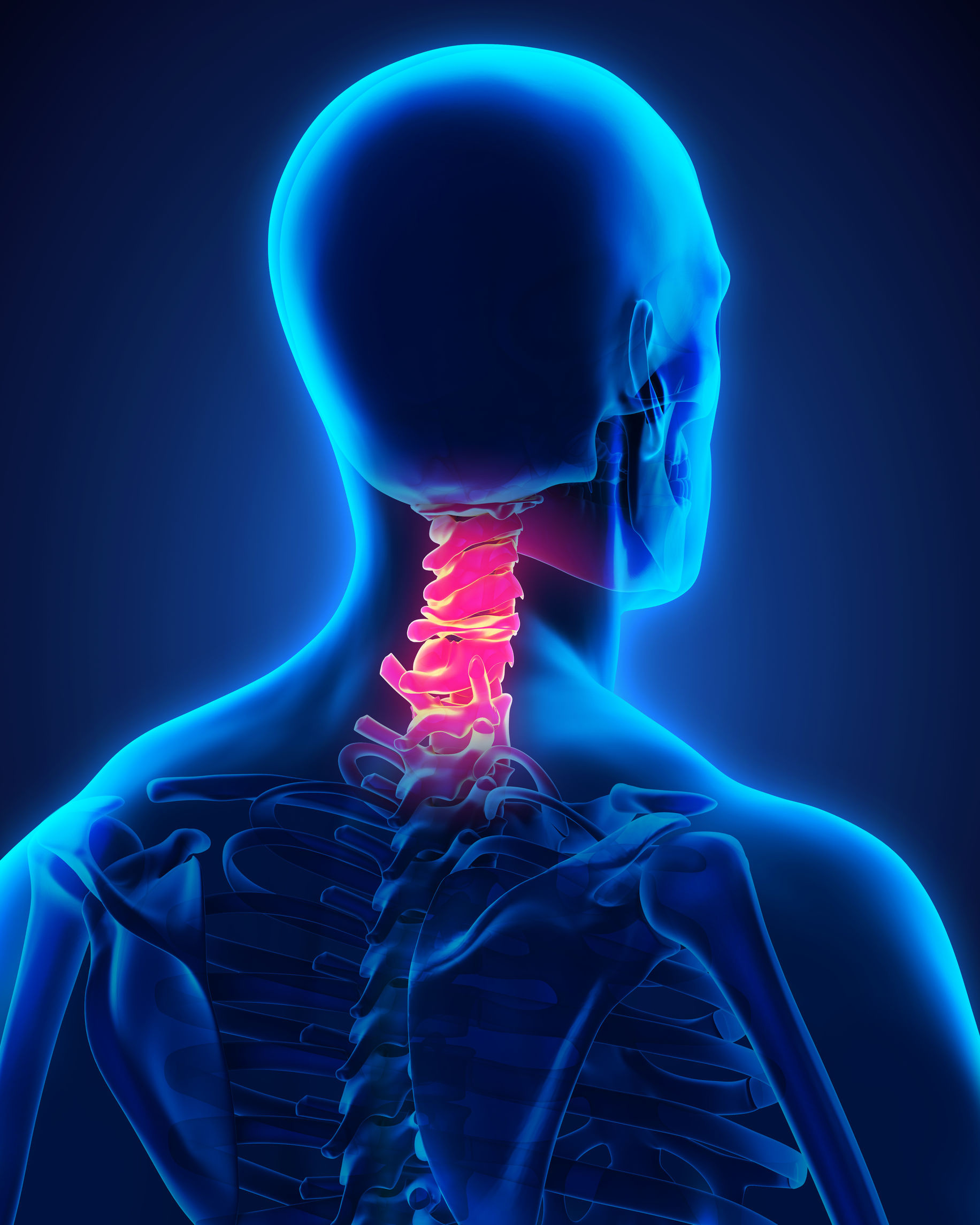
Cervical stenosis, or the narrowing of the cervical spine area, is one of the most common conditions affecting the spinal column. This condition occurs due to the narrowing of the spinal column, causing compression to the spinal cord or spinal nerves. Often, a disc or some bone matter will press against the spinal cord or nerves – causing pain, and other symptoms. In this instance, the spinal compression is being caused by a piece of bone at the top of the spinal column, known as the lamina.
What is the Lamina?
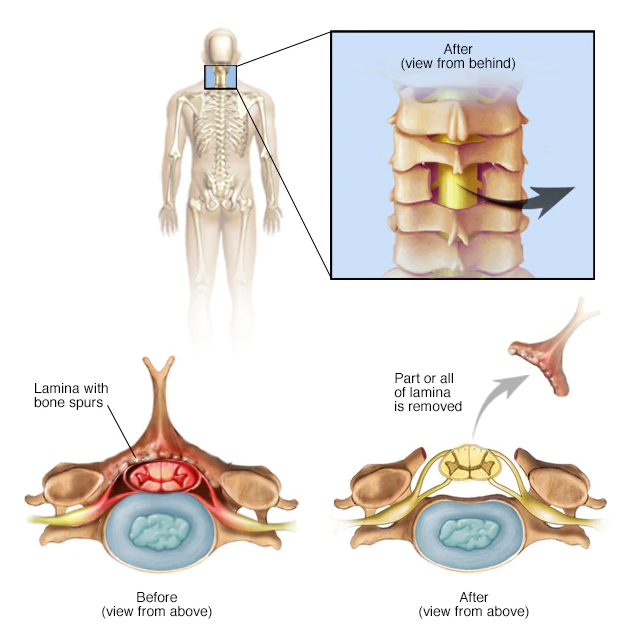
The lamina is a flat, arched piece of bone that acts as a roof to the spinal canal. Essentially the covering of the spinal cord and nerves.
Benefits of a Cervical Laminectomy
For the most part, a laminectomy procedure helps patients who were suffering from spinal pain due to excess compress on the spinal cord. Patients can expect drastic pain relief, and will no longer experience the symptoms commonly associated with spinal compression.
Often, when this type of compression is left untreated, the spine will progressively worsen. This can lead to conditions such as myelopathy, and leave patients unable to use their limbs, lose valuable movement or motor function, as well as the ability to touch or use other senses due to nerve damage. By performing this procedure and alleviating the compression at this stage, we are able to prevent any future damage.
What is a Cervical Laminectomy?
One of the most commonly performed spinal procedures, a posterior cervical laminectomy is performed to remove the lamina, from a posterior approach, in order to provide the spinal cord more room and reduce any compression of the spinal cord.
In some cases, where there is less compression of the spine, another procedure known as a Laminoplasty may be used. In this procedure, rather than removing the lamina entirely, it is wedged open and a hinge is created at the other end to provide somewhat of an opening. But when the compression is too great, a laminectomy must be performed, and the entire lamina must be removed.
The Cervical Laminoplasty Procedure
A Cervical Laminectomy is performed using the following steps:
- An incision is first made in the midpoint of the backside of the neck, as we enter using a posterior approach. The spinal area muscles are then elevated in order to gain a better access to the spinal column area.
- Once we reach the area, and have access to the lamina, we make two deep cuts at either end. At the meeting point of the lamina and the facet joints of the vertebrae. This allows the lamina to be removed in one piece.
- Once the lamina is removed, the spinal cord now has more room to move freely, and any compression is greatly reduced.
Side Effects or Complications
As with any spinal procedure, there are risks associated. The most severe risk would likely be damaged motor function and neurological issues, but this is highly improbable. Once the procedure has been completed, Dr. Varma and his staff will closely monitor their patients in order to ensure there were no complications. Despite this, minor risks are still possible. Some of these risks include:
- Muscle tears
- Infections
- Bleeding
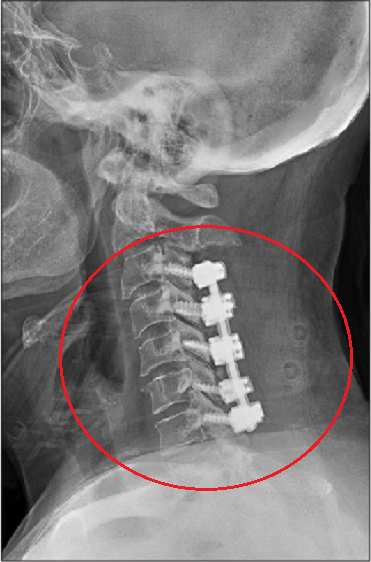
- Spinal Column Instability
- Pain
If any of the above complications or other, more severe complications occur, then addition surgery may be needed. However, for most patients when the procedure is successful, they can expect a drastically improved quality of life, and no longer feel the pain and other symptoms associated with the compression of the spinal cord. For more information on the cervical laminectomy, compression issues, or other spinal concerns, be sure to contact Dr. Varma today.