
Oblique Lumbar Interbody Fusion (OLIF)
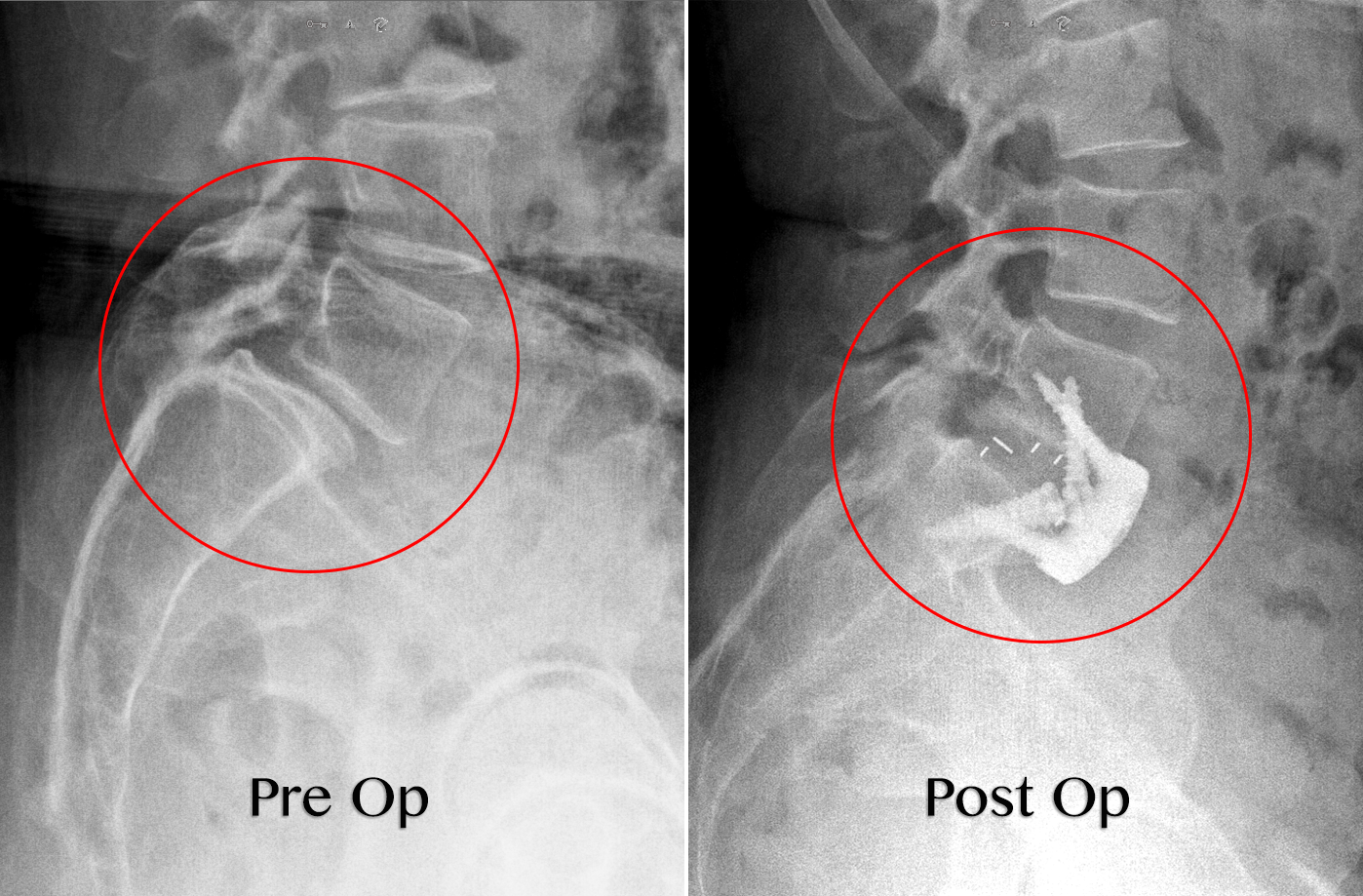
Oblique lumbar interbody fusion (OLIF) is a minimally invasive procedure that involves the removal of damaged intervertebral disc and bone, in the event of disc damage, disease or trauma along the lumbar spine (near the lower back). OLIF uses an oblique lateral approach which differs from the more conventional anterior (from the front) or posterior (from the back) approach.
Benefits of OLIF
Different from the other types of interbody fusion surgeries, the OLIF uses a lateral approach similar to XLIF (extreme lateral approach) or DLIF (direct lateral approach), as it reaches the damaged intervertebral disc from the side, however, the surgical incision is made along the oblique muscle, this avoids disruption of certain muscles and holds a number of benefits.
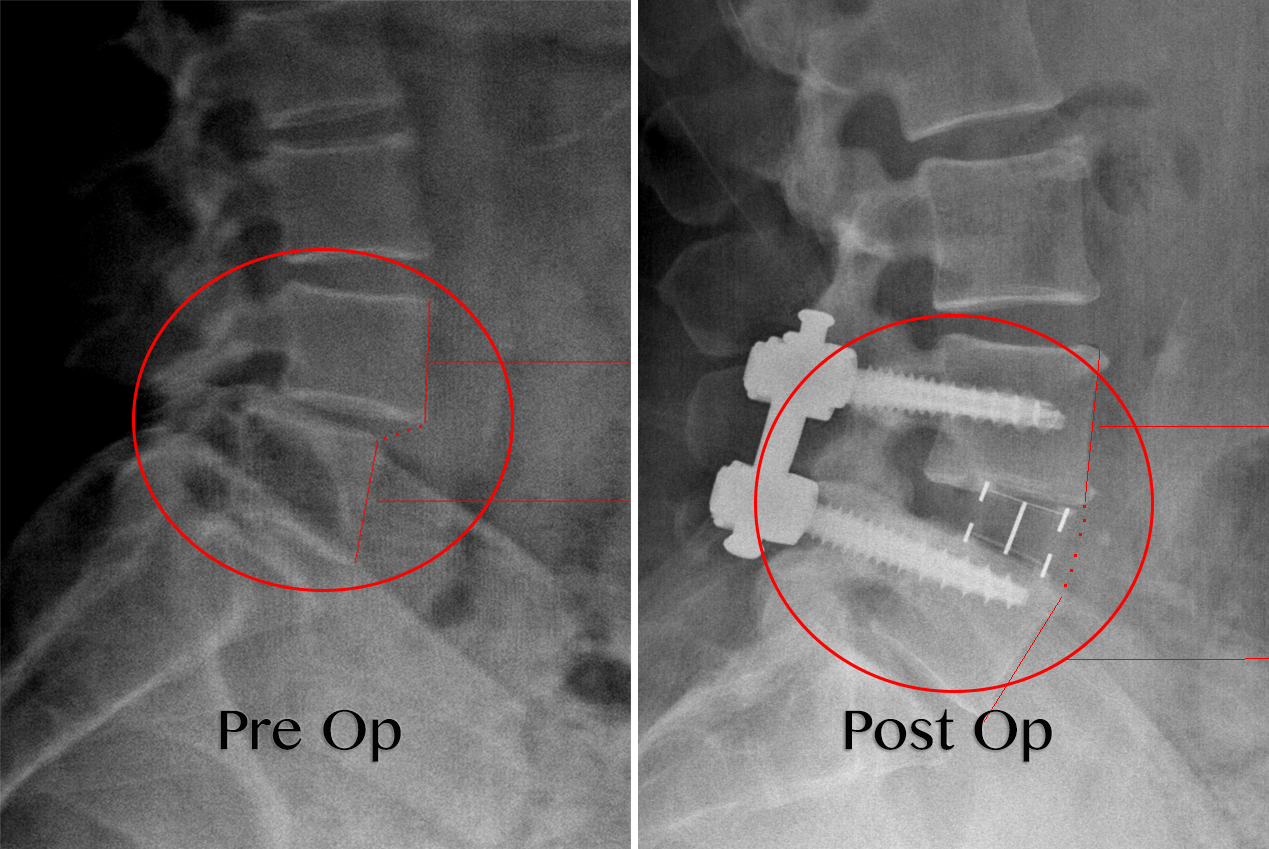
Why OLIF?
Those patients suffering from certain issues affecting the lumbar spine or lower back are great candidates for OLIF. Some of the common conditions that can be addressed using OLIF are:
- Spinal Stenosis
- Degenerative Disc Disease
- Spondylolisthesis
- Scoliosis
- Other issues affecting the Lumbar Spine.
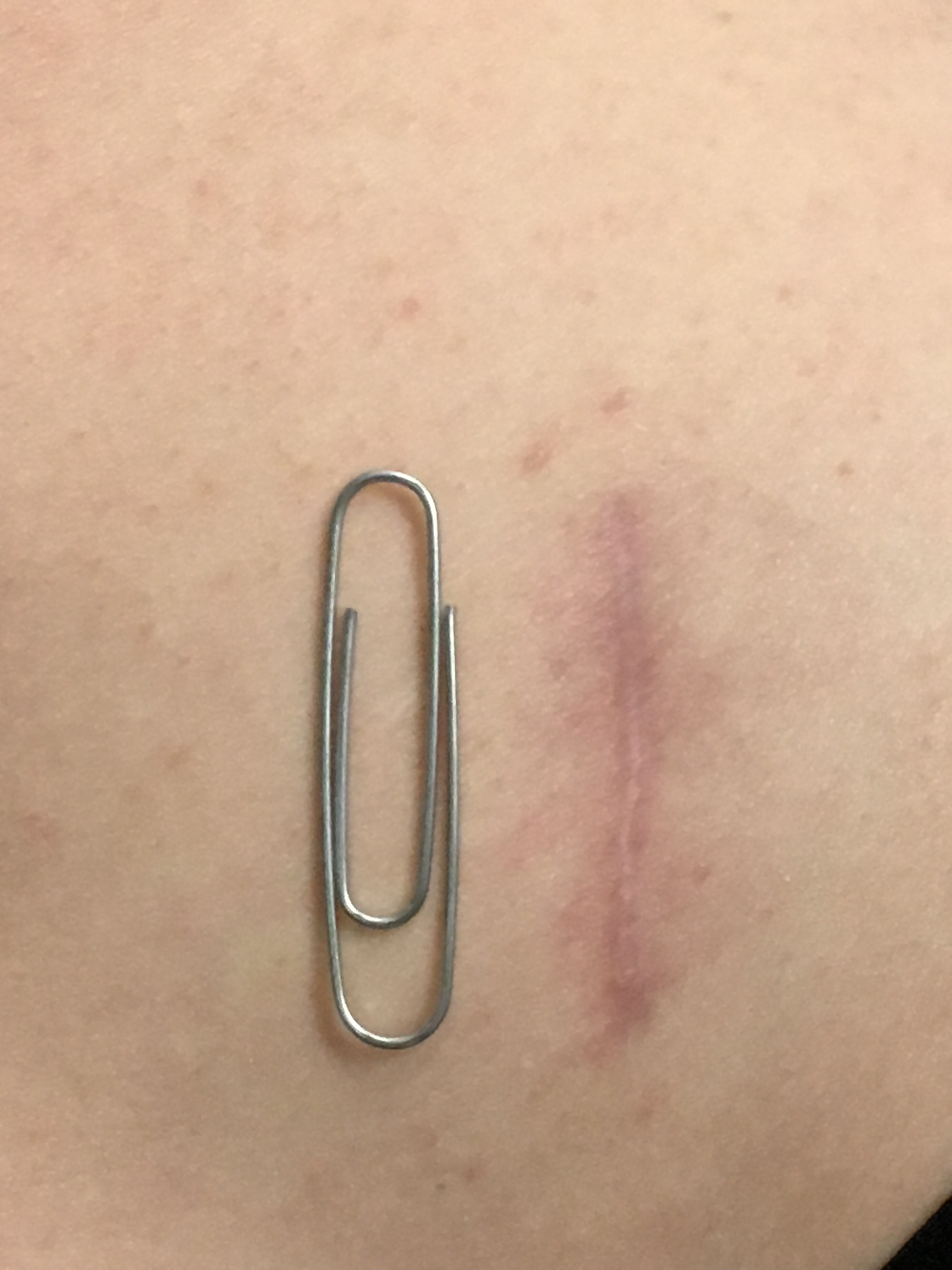
The minimally-invasive OLIF procedure’s small incision leaves patients with a far less prominent scar.
How Does OLIF Work?
The OLIF procedure is done relatively quick and efficiently. An incision is made in the side of your abdomen and soft tissues are carefully separated to reach the lumbar spine. The damaged vertebral bone or intervertebral disc is partially or totally removed. Bone graft or a suitable spacer is placed to maintain the intervertebral space and allow the bones to fuse. Screws, rods and plates may be used for additional support. The soft tissues are carefully repositioned, and the incision closed.
Patients may have to spend a few days in the hospital under observation, but should begin to heal immediately, depending upon their specific condition. A brace may be prescribed for additional support, while the bones begin to fuse. Physical therapy is recommended to improve strength and movement. It takes approximately 4-6 weeks to fully heal, and for the bones to full fuse. However, most patients can resume light daily activities after a week or two. If you are in need of any type of interbody fusion surgery or are experiencing any type of discomfort in the lumbar spine, be sure to contact Dr. Vikas Varma today.